About Wadi Rum

Learn about Wadi Rum and discover everything you need to know before visiting Jordan’s famous desert

Wadi Rum Desert, Jordan

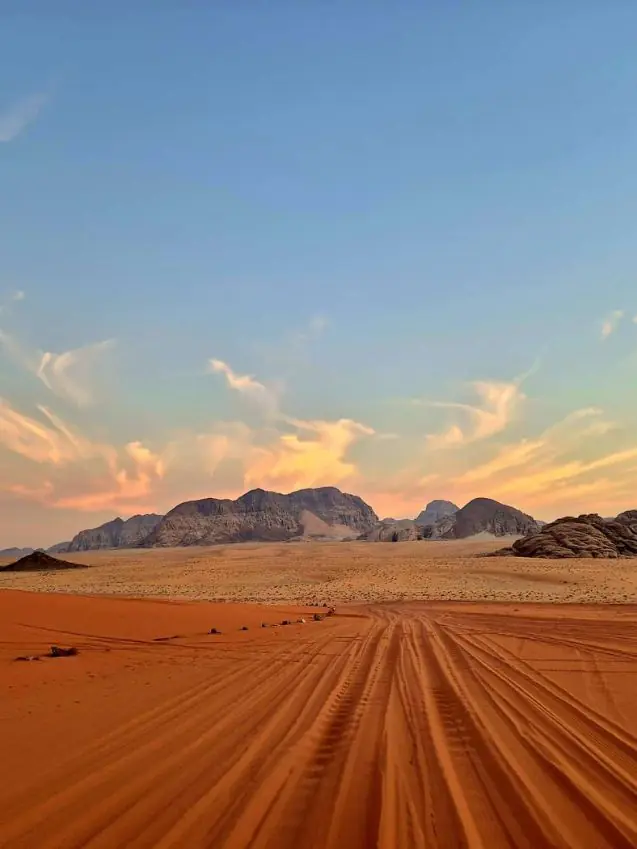
Wadi Rum is one of Jordan’s most remarkable natural landscapes and a UNESCO World Heritage Site, recognized for both its outstanding natural beauty and its cultural history. Located in southern Jordan, Wadi Rum is widely known for its vast red desert, dramatic sandstone and granite mountains, deep canyons, and ancient rock inscriptions. Because of its unique terrain and striking scenery, it is often referred to as the Valley of the Moon.

The Wadi Rum Protected Area covers more than 700 square kilometers, making it one of the largest protected desert areas in Jordan. Its open spaces, towering rock formations, and quiet atmosphere give visitors a sense of scale and isolation that is difficult to find elsewhere in the region.

Wadi Rum Protected Area

Wadi Rum Protected Area is a vast desert wilderness in southern Jordan, known for its towering sandstone and granite mountains. Its wide red dunes, natural rock arches, and narrow canyons create some of the region’s most iconic landscapes. The area is protected for its unique desert ecosystems and the wildlife that survives in this harsh environment.
You may spot desert plants, hardy acacias, and animals such as foxes, ibex, and many bird species.

Wadi Rum is also rich in culture, with Bedouin communities who have lived and traveled here for generations.
Across the rocks, you’ll find ancient inscriptions and carvings that reveal thousands of years of human presence.
The protected status helps preserve both nature and heritage from damage and uncontrolled development.
Visitors can explore by 4×4, hiking trails, camel rides, or guided climbing routes.
Sunrise and sunset are especially famous, when the cliffs and sand glow in deep shades of red and gold.
Wadi Rum Protected Area offers a rare mix of adventure, history, and peaceful desert beauty.

Visit Wadi Rum
About Wadi Rum

Location and Geography

Wadi Rum is situated approximately 60 kilometers east of Aqaba and around 320 kilometers south of Amman. The desert lies close to the Saudi Arabian border and forms part of the larger Arabian Desert system. The landscape is shaped by sandstone and granite mountains rising sharply from wide desert valleys, with elevations reaching over 1,700 meters in some areas.

Over thousands of years, wind and erosion have sculpted the rocks into natural arches, narrow gorges, and smooth cliffs. The red and orange sands are rich in minerals, giving the desert its distinctive color, which changes throughout the day depending on the light.

About Wadi Rum

History and Human Presence

Wadi Rum has been inhabited by humans for thousands of years. Archaeological evidence shows that prehistoric communities lived and traveled through the area, leaving behind rock carvings, petroglyphs, and inscriptions written in ancient scripts such as Thamudic and Nabataean.

The desert is closely linked to Bedouin culture, and local Bedouin tribes have lived in and around Wadi Rum for generations. Their knowledge of the land, weather patterns, and desert life has shaped how the area is explored today. Many Bedouin families continue to work as guides, drivers, and camp hosts, playing an important role in preserving both the environment and cultural traditions.

Wadi Rum is also historically associated with T.E. Lawrence, known as Lawrence of Arabia, who traveled through the area during the Arab Revolt in the early 20th century. This connection has added to the global recognition of the desert.

Natural Landscape

Despite its harsh environment, Wadi Rum supports a variety of plant and animal life adapted to desert conditions. Small shrubs, grasses, and acacia trees can be found in sheltered valleys, while wildlife includes desert foxes, ibex, reptiles, and many bird species.

The desert’s silence and wide horizons make it especially appealing to visitors seeking a peaceful and natural environment. Sunrise and sunset are particularly striking, as the low light highlights the textures and colors of the mountains and sand.

Contact Us
Wadi Rum Real Bedouin Life Experience
Wadi Rum Two Days and Two Nights Jeep Tour

Desert Camps and Overnight Stays

Spending a night in a desert camp is one of the most popular experiences in Wadi Rum. Camps range from traditional Bedouin-style tents to more comfortable desert accommodations that offer private tents and basic amenities. Staying overnight allows visitors to enjoy sunset views, traditional meals, and the quiet of the desert after dark.

The clear night skies make Wadi Rum an excellent place for stargazing, with minimal light pollution and wide-open views of the stars.

Access and Visitor Information

Entry to the Wadi Rum Protected Area is through the Wadi Rum Visitor Center, where visitors obtain tickets and meet local guides or drivers. From there, access to the desert is managed to help protect the environment and preserve the natural landscape.

Scroll to Top