Wadi Rum Protected Area
Wadi Rum Protected Area is Jordan’s desert reserve, protecting wildlife and nature.
Understanding Wadi Rum Protected Area
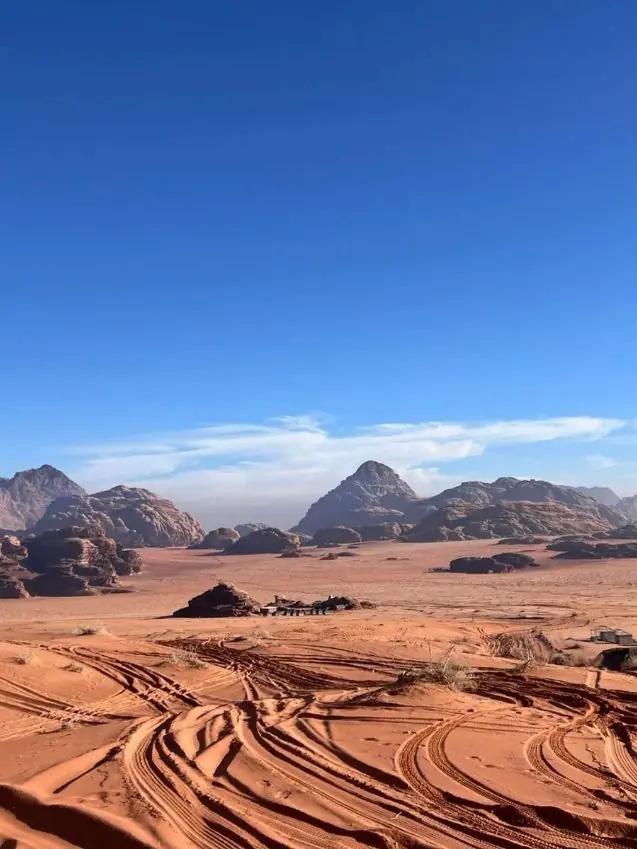
The Wadi Rum Protected Area is one of Jordan’s most significant natural and cultural regions. Located in the far south of the country, this vast desert landscape is protected for its outstanding geological formations, biodiversity, and deep historical value. Covering hundreds of square kilometers, the protected area includes towering sandstone mountains, wide desert valleys, natural arches, and ancient pathways that have been used by humans for thousands of years.
The designation of the Wadi Rum Protected Area was created to preserve the fragile desert environment while allowing controlled and responsible tourism. This balance is essential, as the desert ecosystem is sensitive to human impact, climate change, and overuse.
Natural Features Within the Wadi Rum Protected Area
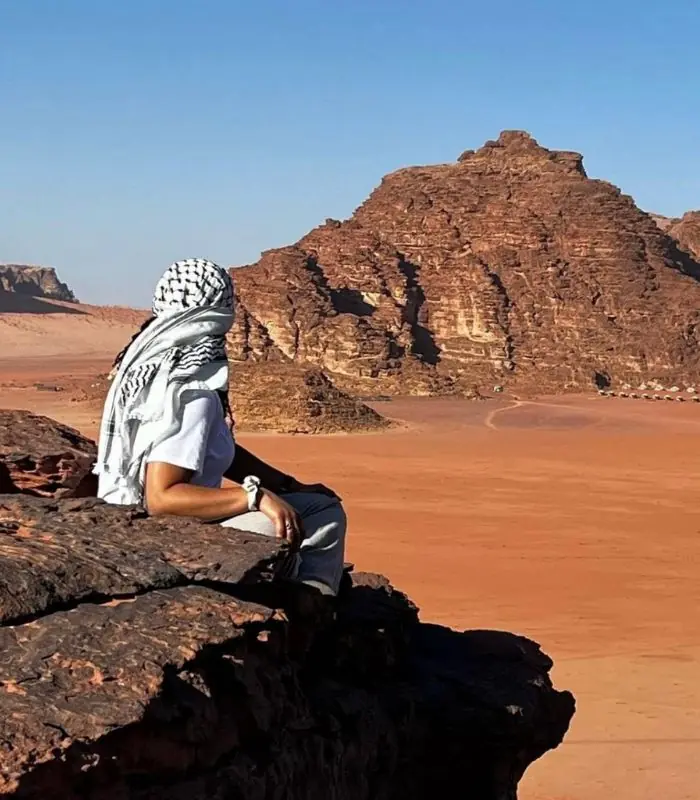
One of the main reasons the Wadi Rum Protected Area is internationally recognized is its dramatic natural scenery. Massive rock formations rise suddenly from the desert floor, creating sharp contrasts between open sand plains and vertical cliffs. These formations were shaped over millions of years by wind erosion, temperature changes, and rare rainfall. The protected area includes famous landmarks such as Jebel Rum, Jebel Umm Ishrin, and numerous natural rock bridges. The color of the rocks ranges from deep red to soft orange and pale yellow, changing throughout the day as the sunlight shifts. This constant transformation makes the Wadi Rum Protected Area visually unique compared to other desert regions.
Biodiversity and Wildlife of the Wadi Rum Protected Area
Although it may appear empty at first glance, the Wadi Rum Protected Area supports a surprising variety of life. Plants and animals here have adapted to extreme desert conditions, surviving with limited water and high temperature differences between day and night. Small shrubs and desert plants grow in sheltered areas where moisture can be retained. Wildlife includes reptiles, insects, desert foxes, and bird species that migrate through the region. Some animals are rarely seen, but their presence is confirmed through tracks and observation. Protecting these species is one of the key goals of the Wadi Rum Protected Area management.
Wild Herbs of Wadi Rum
The desert landscape of Wadi Rum is home to a remarkable variety of hardy wild herbs that have supported Bedouin life for generations. In this arid environment, local communities developed a close relationship with seasonal plants, learning when and where each species grows after rare rains. These herbs were traditionally gathered in small amounts and used in simple preparations for everyday health needs. Infusions, poultices, and aromatic smoke were among the common ways plants were applied in Bedouin medicine. Knowledge of their properties was passed orally through families, especially by elders experienced in desert living. Many plants were valued for digestion, respiratory comfort, skin care, and general wellbeing. Even today, awareness of these desert herbs remains an important part of cultural identity in southern Jordan. They reflect a long tradition of living in balance with a fragile and demanding landscape.
Human History Inside the Wadi Rum Protected Area
Human presence in the Wadi Rum Protected Area dates back thousands of years. Evidence of early settlement can be seen through rock inscriptions, petroglyphs, and ancient pathways carved into stone. These markings tell stories of hunting, travel, and daily life of early desert communities. Over time, the area became an important route for trade and travel. Nabataean inscriptions and remains show that ancient civilizations understood how to survive and move through the desert efficiently. The continued human connection to the land adds cultural depth to the Wadi Rum Protected Area beyond its natural beauty.
Bedouin Communities and Traditional Life
The Bedouin people have lived in and around the Wadi Rum Protected Area for generations. Their traditional lifestyle is closely connected to the desert environment, relying on knowledge of water sources, weather patterns, and animal behavior. Many Bedouin families still maintain strong cultural traditions that reflect a deep respect for the land. Today, Bedouin communities play an active role in conservation and tourism. They work as guides, drivers, and hosts, helping visitors understand the desert while ensuring that traditional knowledge is preserved. Their involvement is essential to the long-term sustainability of the Wadi Rum Protected Area.
Conservation Efforts and Protection Measures
Protecting the Wadi Rum Protected Area requires careful management. Authorities focus on controlling vehicle access, limiting construction, and regulating tourism activities. Off-road driving is restricted to prevent damage to fragile sand surfaces and plant life. Waste management, visitor education, and guided tours are all part of conservation efforts. These measures help ensure that the landscape remains clean and undisturbed. Without such protections, the natural and cultural value of the Wadi Rum Protected Area could be permanently damaged.
Tourism Within the Wadi Rum Protected Area
Tourism is an important part of the local economy, but it must be carefully managed. Visitors are encouraged to explore the desert through guided tours, hiking routes, and designated camping areas. These activities allow people to experience the beauty of the Wadi Rum Protected Area without harming it. Responsible tourism also helps raise awareness about the importance of desert conservation. When visitors understand the fragility of the environment, they are more likely to respect rules and support preservation efforts.
Why the Wadi Rum Protected Area Matters
The Wadi Rum Protected Area is more than just a scenic destination. It represents a rare combination of natural beauty, biodiversity, and human history preserved in one place. Few deserts in the world remain so open, untouched, and deeply connected to cultural traditions.Protecting this area ensures that future generations can experience the same silence, scale, and authenticity that define Wadi Rum today. Conservation is not only about protecting land but also about respecting the long relationship between people and the desert.
The Future of the Wadi Rum Protected Area
The future of the Wadi Rum Protected Area depends on continued cooperation between local communities, conservation authorities, and visitors. Sustainable tourism, education, and strict protection policies are key to maintaining the balance between access and preservation.
As awareness grows, the protected area can serve as a model for desert conservation worldwide. By protecting its landscapes and cultural heritage, the Wadi Rum Protected Area remains a living example of how nature and humans can coexist in one of the world’s most remarkable desert environments.
